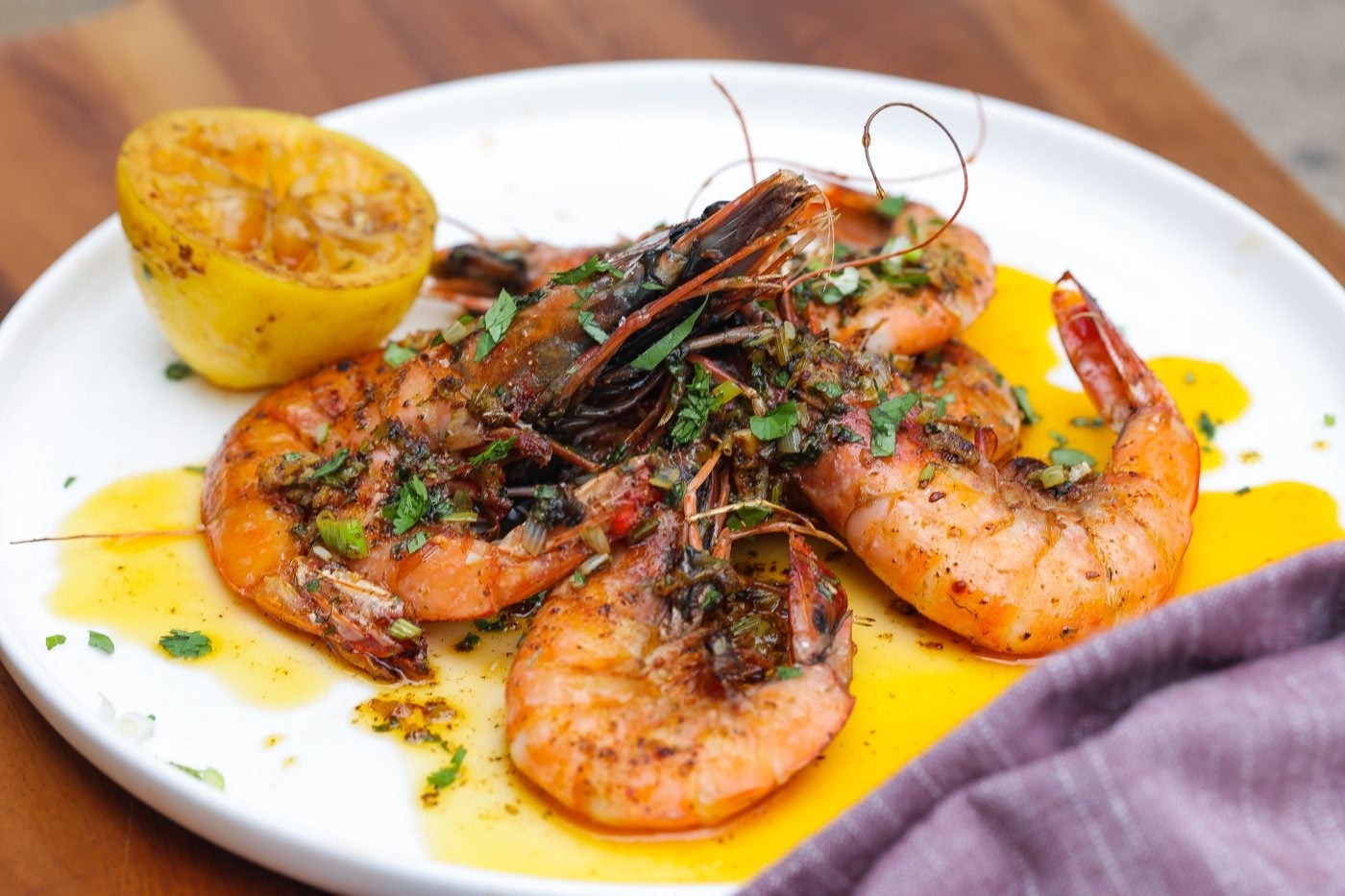
Lemon garlic butter shrimp represents one of the most rewarding dishes a home cook can prepare, combining just a handful of quality ingredients through a technique so straightforward that success comes quickly to beginners while offering infinite room for refinement and personal interpretation. This dish embodies the Mediterranean philosophy that exceptional food requires neither elaborate techniques nor exotic components, but rather an understanding of how basic elements interact through heat and timing. The magic emerges from the marriage of sweet succulent shrimp with acidic brightness, pungent garlic depth, and rich buttery unctuousness, each element supporting the others in perfect balance. When executed properly, the dish delivers restaurant-caliber results that taste far more complex than their minimal ingredient list suggests. The technique takes approximately ten to fifteen minutes from start to finish, making it ideal for weeknight entertaining, impressive date nights, or those occasions when you want something genuinely memorable without the stress of elaborate preparation. Understanding why each step matters transforms this simple recipe into a repeatable success story rather than a hit-or-miss endeavor dependent on luck.
The accessibility of this dish has made it enormously popular among cooking enthusiasts seeking quick but impressive results. Resources like All Recipes offer numerous variations and techniques, reflecting how widely beloved and frequently prepared this dish has become across diverse culinary contexts and skill levels. Whether you are a nervous novice fearful of overcooking shrimp or an experienced cook seeking inspiration, the fundamental approach remains remarkably consistent: prepare shrimp properly, apply heat strategically, introduce flavor components at precisely calibrated moments, and finish with bright aromatics. The beauty lies in the execution of these basics rather than invention of complex methods.
The critical foundation of proper shrimp preparation
Success with shrimp begins before heat ever touches the pan. Selecting the correct shrimp makes an enormous difference in your final result. Medium to large shrimp, typically ranging from twenty-one to thirty count per pound, provide the ideal balance between manageable cooking time and substantial presence on the plate. Very small shrimp cook so quickly they risk overcooking in the seconds required to finish the remaining components, while jumbo specimens sometimes develop rubbery exteriors before the interior reaches proper doneness. Fresh shrimp, if available at a quality fish counter, offer superior flavor and texture compared to frozen, though properly thawed frozen shrimp works acceptably if you lack access to fresh specimens. The defining characteristic you need is peeled and deveined shrimp, which means the shell and exterior vein have been removed, leaving just the pink or gray translucent meat ready for cooking. While some traditionalists prefer tails intact for visual appeal and ease of handling, this remains optional; tailless shrimp pose no functional disadvantage.
Preparation begins with patting the shrimp thoroughly dry using paper towels. This seemingly minor detail carries enormous importance because moisture on the shrimp surface interferes with browning, creating steam rather than developing the golden crust that signals proper searing. Moisture also dilutes the butter and garlic sauce, reducing its flavor concentration. Dry shrimp sitting in single layer on your cutting board for a few minutes before cooking ensures all surface moisture evaporates. While the shrimp dries, begin your garlic preparation by mincing five to six cloves of fresh garlic into fine, nearly paste-like consistency using a microplane grater, mortar and pestle, or chef's knife. The fineness matters because it allows the garlic to distribute evenly throughout the butter sauce and prevents large chunks from burning. Garlic burning represents the primary hazard in this recipe; burned garlic tastes acrid and bitter, dominating the entire dish. Mincing garlic to near powder consistency gives you insurance against this disaster.
The Lemon Garlic Butter Shrimp Recipe succeeds or fails largely based on understanding timing for each component addition. Too much advance preparation allows acid from lemon juice to chemically denature shrimp proteins prematurely, degrading texture. Too little advance preparation leaves you scrambling at critical cooking moments when you cannot remove your attention from the pan. The solution involves prepping everything but combining nothing until heat hits the pan. Zest your lemon using a microplane grater, capturing the aromatic yellow portion while avoiding the bitter white pith beneath. Juice the lemon into a small bowl, ideally using fresh lemon juice rather than bottled, which carries chemical notes that diminish the brightness you seek. Chop fresh parsley finely, measuring approximately one-quarter cup, keeping it accessible but not added until the final seconds. Have your butter cut into tablespoon-sized cubes and sitting on your counter, not refrigerated, so it softens quickly once heat reaches it.
The cooking process that separates ordinary from exceptional
Heat your skillet or sauté pan to medium-high temperature, allowing it to become thoroughly hot before introducing any ingredient. The pan needs sufficient heat to develop browning on the shrimp surface, creating complex flavor development through the Maillard reaction. Add two tablespoons of high-quality olive oil to the hot pan, allowing it to shimmer and move freely across the surface. This shimmer indicates the oil has reached the correct temperature; oil that sits static remains too cool, failing to promote browning. Immediately introduce your minced garlic, stirring constantly for approximately thirty seconds until the aroma becomes pronounced and pungent. This brief garlic blooming allows the volatile compounds to open and distribute without any risk of burning. Some recipes add a pinch of red pepper flakes at this moment for subtle heat; this optional addition remains entirely dependent on personal preference and heat tolerance.
Add your prepared, dry shrimp to the pan in a single layer if space permits, though slight overlapping poses no crisis. Allow them to sit undisturbed for two to three minutes; resist the temptation to stir, flip, or fuss. This precious time allows shrimp to make full contact with the hot pan surface, developing golden color and crust. You can observe their color changing from translucent gray to opaque pink starting at the edges and creeping inward. This color change indicates protein denaturing, which is the visual signal of cooking progress.
After the initial two to three minutes, flip each shrimp individually, arranging them cooked side up in the pan. At this precise moment, add your cubed butter around and among the shrimp, not on top where it simply melts away, but distributed throughout the pan. The cold butter hitting the hot shrimp and pan creates vigorous sizzling; this is exactly what you want. The butter emulsifies with the rendered shrimp liquids and residual pan heat, creating a luxurious sauce. Tilt the pan, spooning the melted butter continuously over the shrimp, a technique called basting that ensures every surface gets coated with the increasingly rich and flavorful sauce. Continue cooking for another two to three minutes until the shrimp have turned completely opaque with light pink coloring throughout, a visual indication that internal proteins have fully set.
The moment the shrimp appears fully cooked, immediately remove the pan from heat before you slide into overcooking territory. The residual heat in the pan continues cooking even off the burner, and shrimp reaches that miserable rubbery texture in seconds. Remove the pan from the heat and stir in your fresh lemon juice, zest, and chopped parsley, gently combining these bright elements with the butter sauce. The cold lemon juice hitting the hot pan stops the cooking process almost instantly while its acidity balances the richness of butter. Taste and season with kosher salt and freshly ground black pepper; remember that butter, garlic, and lemon juice contain their own salt, so season conservatively and taste frequently.
The critical timing principles that prevent catastrophe
Overcooking represents the nearly universal failure point for home cooks preparing shrimp. The precise moment of doneness arrives surprisingly early, often sooner than inexperienced cooks expect. The ideal shrimp appears fully opaque with light pink coloring, neither translucent nor dark pink throughout. If any portion still appears translucent, continue cooking an additional thirty seconds, but check obsessively because the difference between perfect and overcooked represents mere moments. Overcooked shrimp develops that dry, mealy texture that tastes rubbery and unpleasant; nobody enjoys this result, and it ruins an otherwise simple recipe.
The size of your shrimp determines cooking time more than any other factor. Medium shrimp (twenty-six to thirty count per pound) typically cook through in four to five minutes total, two to two and a half minutes per side. Large shrimp (twenty-one to twenty-five count) may need five to six minutes total, though vigilance remains essential. Jumbo specimens occasionally require slightly longer, but even these cook through in under ten minutes total. This speed demands your full attention and preparation; everything should be ready before the shrimp hits the pan.
Flavor development through strategic component layering
The beauty of this recipe emerges from how each component adds its own note to the final composition. The initial garlic blooming in hot oil develops aromatic complexity and removes the raw sharpness that uncooked garlic would provide. The shrimp searing creates browned crusty surfaces that contribute depth and umami richness. The butter emulsification creates a glossy, luxurious mouthfeel that coats the palate. The lemon juice and zest provide bright acidity that cuts through richness and prevents the dish from feeling heavy. The parsley adds herbaceous freshness and visual color appeal. None of these elements by themselves constitutes greatness; their combination, carefully timed and proportioned, creates something memorable.
Some cooks prefer finishing with a splash of dry white wine added alongside the lemon juice, which contributes subtle acidity and complexity that modifies the flavor profile slightly. Others add red pepper flakes for heat, capers for salt and briney funk, or fresh herbs like thyme or oregano for earthiness. These modifications represent creative exploration rather than departures from the basic recipe; any or all remain valid depending on your taste preferences and what ingredients you have available.
Serving presentations that elevate the experience
Lemon garlic butter shrimp demands immediate service while the sauce remains hot and glossy. Transfer the shrimp and their precious sauce to a serving bowl or directly to individual plates using a slotted spoon, then drizzle any remaining sauce over and around the shrimp. Crusty bread becomes essential for soaking up the butter sauce; no aspect of this sauce should remain in the pan at the end of the meal. Serve with fresh lemon wedges on the side for those preferring additional brightness, and perhaps a simple green salad dressed with vinaigrette for textural contrast and palate cleansing.
The shrimp pair beautifully with numerous accompaniments: pasta tossed lightly with olive oil and parmesan, buttered rice that absorbs the sauce, roasted potatoes, or simply as an appetizer with crusty bread. Some preparations serve shrimp over zucchini noodles or cauliflower rice for lower-carbohydrate options, which work perfectly fine though they absorb less of the sauce.
The mastery that comes from repetition
This dish improves exponentially with repetition as you develop intuition about your specific pan, stove heat characteristics, and shrimp size and source. You learn to recognize the exact visual signs of perfect doneness, to judge heat intensity through sound and sizzle patterns, and to adjust timing based on individual circumstances. The technique requires no specialized equipment beyond a large skillet, no exotic ingredients, and roughly fifteen minutes from refrigerator to plate. For something so simple yet so effective at impressing, lemon garlic butter shrimp stands as one of the most valuable recipes any home cook can master.


 icons at the top
right corner of the subsection.
icons at the top
right corner of the subsection.